

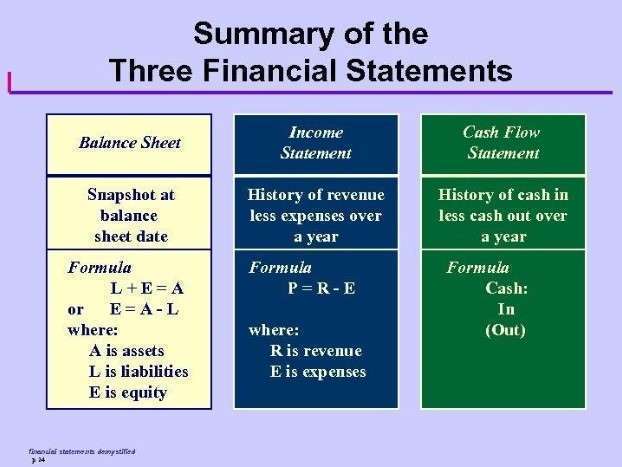
Retained earnings represent a useful link between the income statement and the balance sheet, as they are recorded under shareholders’ equity, which connects the two statements. This reinvestment into the company aims to Purchases Journal achieve even more earnings in the future. Retained earnings are an important part of accounting—and not just for linking your income statements with your balance sheets. Retained earnings are a critical part of your accounting cycle that helps any small business owner grow their business.
Net income/loss
- Every business — from massive corporations to small startups — need retained earnings to thrive.
- In Year 2, the company launches a new product line targeting large retailers, which drives significant growth in demand.
- There are some limitations with retained earnings, as these figures alone don’t provide enough material information about the company.
- Retained earnings are like a running tally of how much profit your company has managed to hold onto since it was founded.
- The process of calculating a company’s retained earnings in the current period initially starts with determining the prior period’s retained earnings balance (i.e., the beginning of the period).
- They represent profits that have been kept within the company and can be used to absorb unexpected losses, navigate economic downturns, or seize unforeseen opportunities.
I’m passionate about making finance accessible and helping readers understand complex financial concepts and terminology. Through clear, actionable content, I empower https://www.sunbow.co.th/?p=167213 individuals to make informed financial decisions and build their financial literacy. It is typically prepared for each fiscal period, such as quarterly or annually, to show changes in retained earnings over that specific timeframe. Johanna brings expertise in financial education and investing, helping readers understand complex financial concepts and terminology.
- You calculate retained earnings at the end of every accounting period.
- To see this formula in action, let’s consider a hypothetical small business called “The Coffee Corner.” Imagine that at the beginning of the year, The Coffee Corner had £10,000 in retained earnings.
- Businesses that have investors or shareholders will need to determine how they want to pay out these dividends.
- The retained earnings definition encompasses both accumulated profits and losses since the company’s inception.
- Retained earnings are a shaky source of funds because a business’s profits change.
- Retained earnings are a running tally of profits kept in the business.
Your Road Map to Grow Your Business
While no single metric can predict the future with absolute certainty, understanding your company’s retained earnings is a powerful piece of the puzzle for gaining financial clarity. These accumulated profits, when calculated accurately, provide valuable insights into your company’s past performance and its capacity for future investment and growth. You can find retained earnings in the shareholder’s equity section of the balance sheet. This figure represents total earnings from all previous years that weren’t distributed as cash dividends. Net income is your “headline number” for profitability during a specific period.
Save cash
Because retained earnings link your income statement and balance calculate retained earnings sheet, they also help track how profit is being converted into long-term value. This makes them a key indicator for strategic planning, not just financial reporting. In this complete guide, you’ll learn what retained earnings are, how to calculate them using a simple formula, why they’re important for your balance sheet, and how they influence financial decisions. Whether you are operating a startup, a growing business, or are an investor, knowing how retained earnings work will help you make better financial choices.
- If the company had a market value of $2 million before the stock dividend declaration, it’s market value still is $2 million after the stock dividend is declared.
- The growing retained earnings balance over the past few years could suggest that the company is preparing to use those funds to invest in new business projects.
- To better explain the retained earnings calculation, we’ll use a realistic retained earnings example.
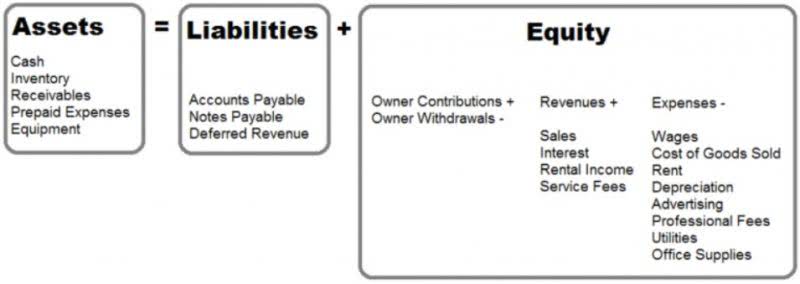
- Retained earnings are found on the balance sheet under shareholders’ equity.
- Retained earnings, also known as retained profit, are reported on the balance sheet under the shareholder’s equity section at the end of each accounting period.

Retained earnings can be used to pay off debt, reducing the company’s interest expenses and improving its financial health. Understanding the ins and outs of retained earnings can help you see your business performance and potential. Let’s dive in to better understand what retained earnings are, why they are important, and how to calculate them. An accumulated deficit is when a company’s debts total more than its reported earnings on a balance sheet. The more liability a business assumes, the riskier it will be to investors, and the less likely it’ll be for you to borrow money and grow your business. Alternatively, a company with lower debt, or less liability, will appear less risky and more attractive to investors.

Capital Markets
- Next, review the income statement and add any net income or subtract any net losses.
- Dividends are paid out of accumulated retained earnings, so you’ll need to subtract them from the sum of net income and beginning retained earnings to find the total for your defined period.
- On average, established businesses that generate consistent earnings make larger dividend payouts because they have larger retained earnings balances in place.
- Retained earnings can be used to pay off debt, reducing the company’s interest expenses and improving its financial health.
- However, company owners can use them to buy new assets like equipment or inventory.
The method of calculating the above is given below in detail, along with the statement of retained earnings formula. The figure may be positive or negative, depending upon inputs in the formula. If the company suffered a loss last year, then its beginning period RE will start with a negative.
